



The Royal Tomb of the Ancient City of Petra, Jordan
This is a 3D scanned model of The Royal Tombs in the ancient city of Petra, Jordan. Carved into the sandstone cliffs of Petra, these spectacular monuments are monumental rock-chiselled tombs built by the Nabataeans in the 1st century AD. The large building on the far left is named for its three-story facade that resembles a Roman palace. It is one of the largest and most complex monuments in Petra. It is generally believed to be the final resting place of Nabatean rulers or high officials.
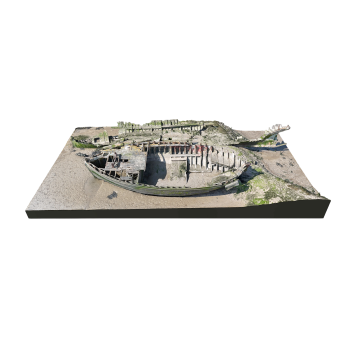
3D scanning model of sunken ship
This is a 3D scanned model of a sunken ship. It depicts the wreckage of two wooden vessels in the intertidal zone of Bahrain Hall Creek, near Bahrain, Essex, England. The image is a digital model created by photogrammetry. This technology takes a large number of overlapping photos, and then uses professional software to combine them into a detailed 3D image. The ships are moored in a "ship graveyard," and archaeologists use this 3D modeling technique to document and analyze archaeological sites, especially for objects like shipwrecks that are fragile or difficult to access consistently.
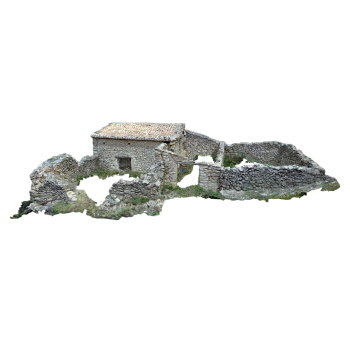
Spanish Stone Building Site (Corral Agreret)
This is a photo-scale 3D scan of Corral Agreret. The site of this stone building is located near the town of Beniain the province of Alicante, Spain. "Corral" means corral or paddock in Spanish. The building may have originally been an old farm building, used as a fence or shelter for livestock. The model shows the typical Mediterranean country stone architecture style, with heavy stone walls and red tile roofs, but is currently in a dilapidated state of ruin.

Blackdown Rings, England
It is a hill fortress site from the Iron Age located near Hazelwood in Devon, England. Located on a mountaintop at an altitude of approximately 185 meters, it boasts an excellent location overlooking the River Avon. It is a typical representative of ancient defense works, and its earthworks include well preserved dams and trenches, which are still clearly visible today and provide important clues for studying ancient history. It is an archaeological site and also a scenic spot offering spectacular views. You can enjoy the beautiful scenery of the South Hams countryside here. The specific history and purpose still need further research, but it is clearly an important witness to the social structure and military defense strategy of the Iron Age

Ruins of the Eastern Orthodox Church in Juuru, Estonia
The ruins of the Juwulu Orthodox Church are located in the small village of Juwulu in Estonia. This historical site is the site of an Eastern Orthodox church, which was once an important religious and cultural center in the region. Built in the late 19th century, it was an important place of worship for the Eastern Orthodox Christian community in the region. This church is renowned for its unique architectural style, combining traditional Russian Orthodox design with elements of local Estonian style. Unfortunately, this church suffered severe damage during World War II and became ruins. Today, only remnants of the walls and fragments of some decorative elements can be seen.

The White Chapel of the Ancient Egyptian Pharaoh Cenasot I
The white chapel of the ancient Egyptian pharaoh Cenasot I was an important building during the Middle Kingdom period of ancient Egypt and is considered part of the temple architecture of Cenasot I. Built in the 19th century BC, located within the Abidos ruins in Egypt. Constructed from stone, with a white appearance and decorated with intricate reliefs and carvings. It was built by Censorate I to worship his ancestors and gods. It is considered a sacred place, where statues and reliefs of several pharaohs and gods are enshrined. It is an important historical site that provides valuable information for studying ancient Egyptian culture and religion.

Popular Models

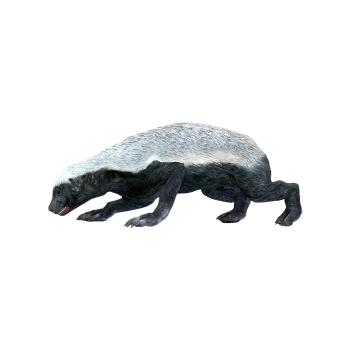
Honey Badger (3D animated model)
192 View
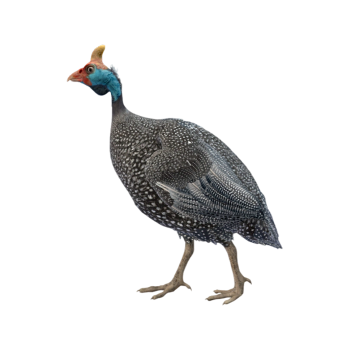
Guinea fowl (3D animated model)
163 View
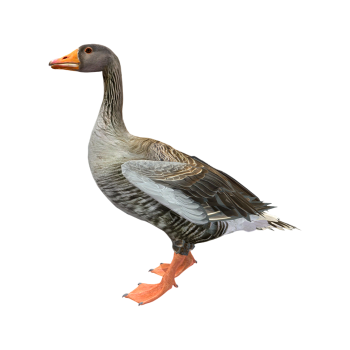
Wild Goose (3D animated model)
185 View
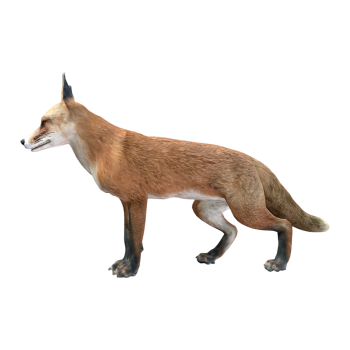
Red Fox (3D animated model)
153 View
Random Model
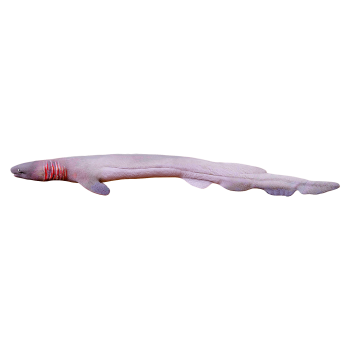
Frilled Shark (3D Animated Model)
156 View
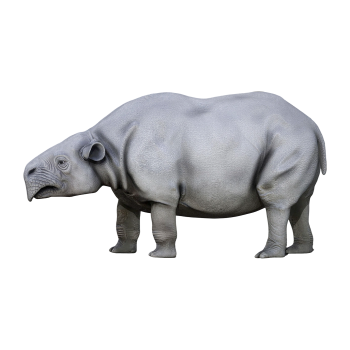
Wild Goose (3D animated model)
185 View
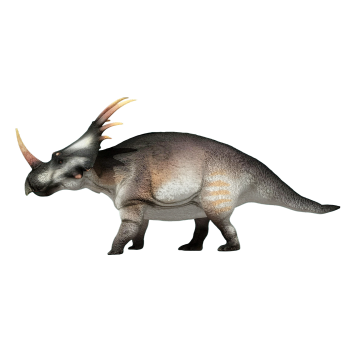
Halosaurus (3D animated model)
135 View
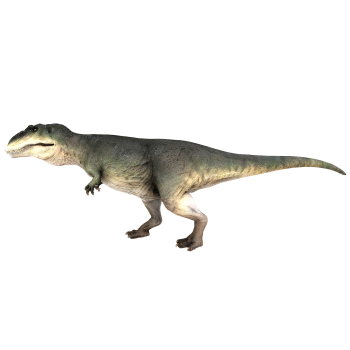
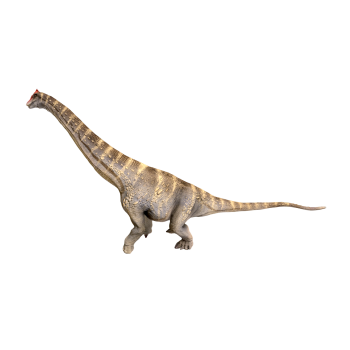
Aramoron (3D animated model)
144 View
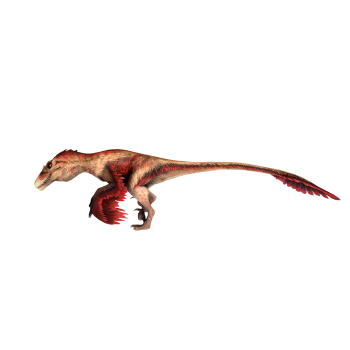
Dakotaraptor (3D animated model)
172 View
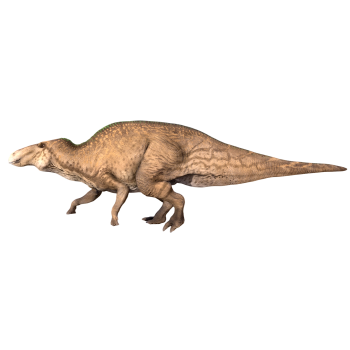
Edmonton Dragon (3D animated model)
152 View
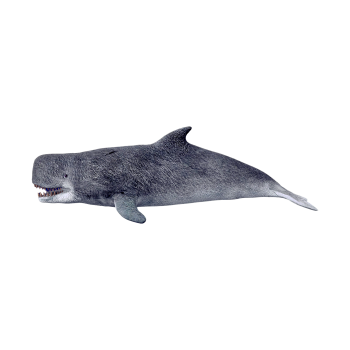
Melville Whale (3D animated model)
168 View